
The Direct Answer: Cold Catalyst Filters Work at Room Temperature Without Generating Secondary Pollutants
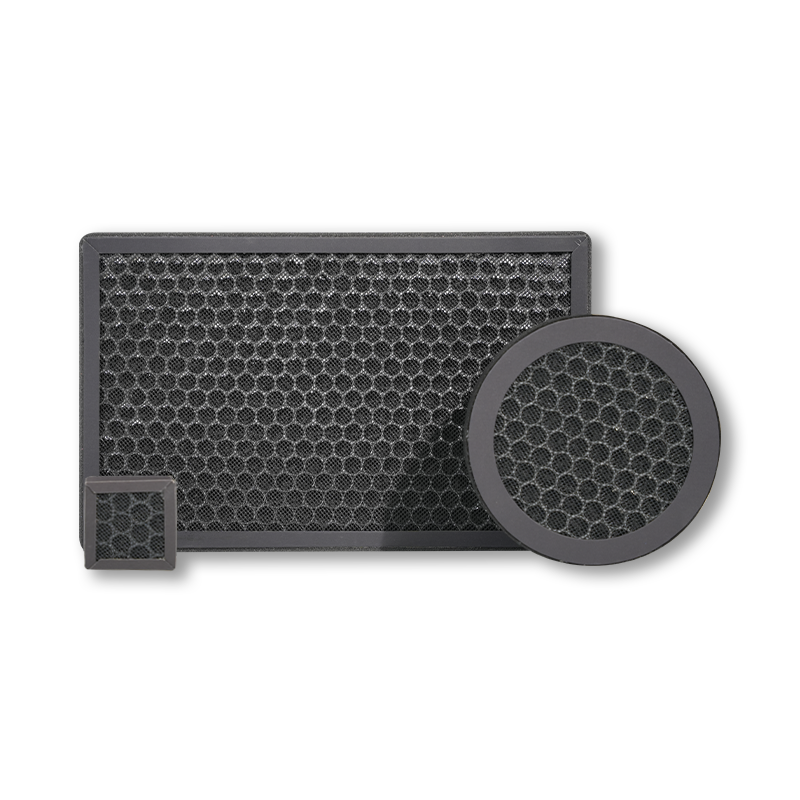
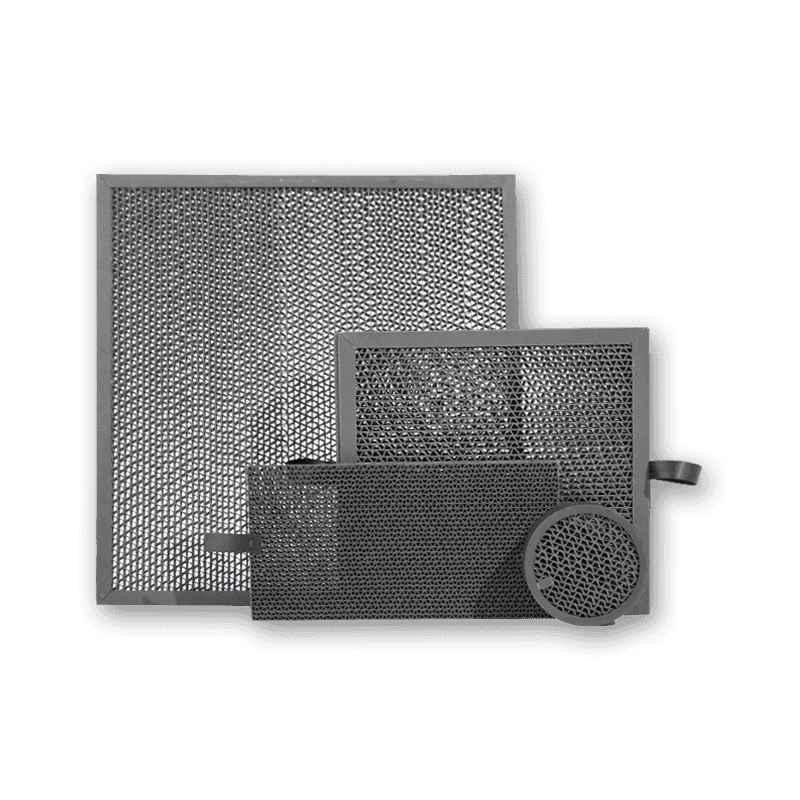
Cold catalyst filters are gaining rapid popularity in newly decorated homes and office spaces for one fundamental reason: they chemically decompose formaldehyde, benzene, TVOC, and ammonia at ambient room temperature — no heat, no UV light, no electricity required for the catalytic reaction itself. Unlike photocatalytic filters that need UV lamp activation, or activated carbon filters that merely adsorb pollutants temporarily, cold catalyst technology triggers oxidation-reduction reactions spontaneously when target molecules contact the catalyst surface, converting harmful compounds into harmless water and carbon dioxide.
For newly decorated spaces — where formaldehyde off-gassing from pressed wood furniture, flooring adhesives, and wall paints creates the most acute indoor air quality crisis — this passive, continuous chemical destruction capability fills a critical gap that no mechanical filter can address. The surge in demand reflects both growing consumer awareness of post-renovation chemical hazards and the practical simplicity of a technology that requires no power source, no warm-up period, and no complex installation to deliver meaningful pollutant reduction.
The Post-Renovation Air Quality Crisis Driving Demand
To understand why cold catalyst technology has found such a receptive market, it is necessary to understand the scale and nature of the indoor air quality problem it addresses. Modern interior decoration and renovation creates a concentrated, sustained release of chemical pollutants that persists far longer than most homeowners or office managers expect.
The Off-Gassing Timeline in Newly Decorated Spaces
Formaldehyde and VOC emissions from new building and furnishing materials follow a characteristic decay curve — extremely high in the first days and weeks after installation, declining exponentially over months and years. Key data points that define the urgency:
- New medium-density fiberboard (MDF) furniturecan emit formaldehyde at rates of 0.5–2.0 mg/m²/hour in the first weeks post-manufacture, declining to 0.05–0.1 mg/m²/hour after 6–12 months.
- Laminate flooring with urea-formaldehyde adhesivesoff-gasses most heavily in the first 30–90 days, but studies have documented measurable emissions continuing for 2–5 years under normal indoor conditions.
- Wall paints and primersrelease benzene, toluene, xylene, and ethylbenzene (BTEX compounds) at peak rates during application, with the bulk of VOC load clearing within 2–4 weeks — but trace emissions continuing for months as the coating fully cures.
- Vinyl wallpaper and PVC flooringrelease plasticizers including dioctyl phthalate (DOP) and 2-ethyl-1-hexanol over extended periods, with half-lives of months to years at room temperature.
The cumulative result: in a newly decorated home or office where multiple materials off-gas simultaneously, measured indoor formaldehyde concentrations of 0.2–0.8 ppm are not uncommon in the first month — levels 2–8 times above the World Health Organization's 30-minute guideline of 0.1 mg/m³ (approximately 0.08 ppm). At these concentrations, symptoms including eye and throat irritation, headaches, and respiratory discomfort are reliably reported, with particular concern for children, the elderly, and individuals with asthma or allergic conditions.
Why Existing Solutions Fall Short for Newly Decorated Spaces
The limitations of conventional air quality management approaches in the post-renovation context explain precisely why cold catalyst technology has found market acceptance:
- Ventilation alone is often impractical:Continuous window-opening sufficient to dilute formaldehyde to safe levels may require 10–20 air changes per hour — practical in mild weather but impossible in winter, during air pollution events, or in security-sensitive office environments.
- Activated carbon saturates rapidly:In a high-concentration post-renovation environment, a typical consumer air purifier's carbon filter — containing 150–300g of carbon — may reach 30–50% saturation within 2–4 weeks, rapidly losing effectiveness precisely when it is needed most.
- HEPA filters are irrelevant for gas-phase pollutants:HEPA technology captures particles — it provides zero benefit against the gas-phase formaldehyde and VOCs that constitute the primary post-renovation hazard.
- Photocatalyst systems require infrastructure:UV lamp-based PCO systems need electrical installation, UV lamp maintenance, and carry byproduct risks from incomplete oxidation — a complexity barrier for many homeowners and a significant concern for those wanting simple, verifiable solutions.
Cold catalyst filters address each of these gaps simultaneously: they destroy pollutants permanently (no saturation like carbon), work on gas-phase molecules (unlike HEPA), require no power or infrastructure (unlike PCO), and produce no harmful byproducts under normal operating conditions.
How Cold Catalyst Filters Work: The Chemistry Behind Room-Temperature Decomposition
The term "cold catalyst" refers to a class of catalytic materials capable of facilitating oxidation-reduction reactions at ambient temperatures — typically 15–35°C — without requiring the elevated temperatures (200–400°C) needed by conventional thermal catalytic converters. This distinguishes them fundamentally from automotive catalytic converters and many industrial air treatment systems that operate at high temperature.
The Catalytic Decomposition Mechanism
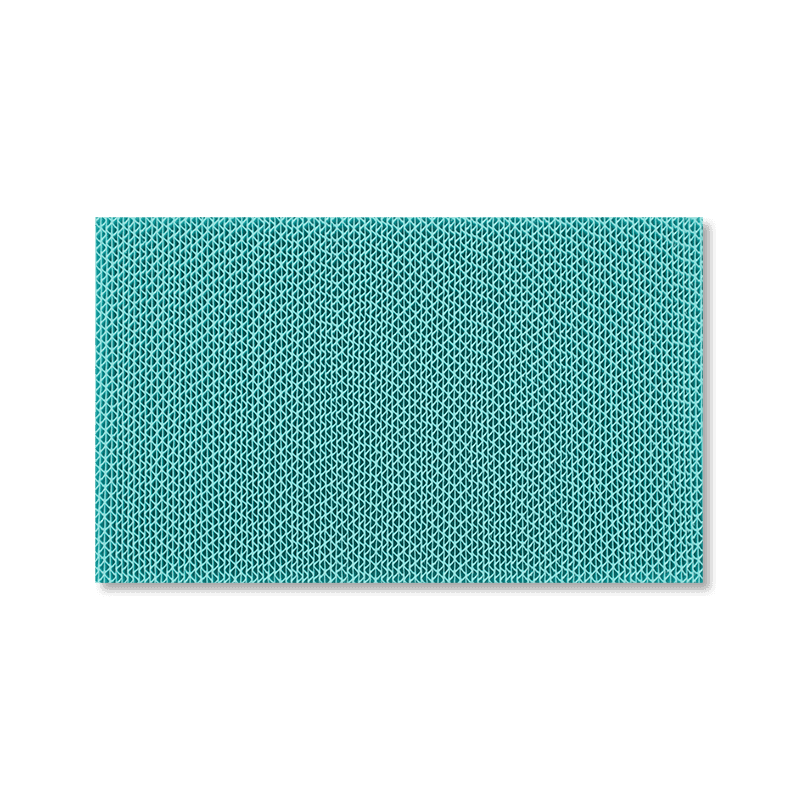
Cold catalyst formulations typically employ a combination of transition metal oxides and noble metal nanoparticles — commonly manganese dioxide (MnO₂), copper oxide (CuO), cobalt oxide (Co₃O₄), and platinum or palladium nanoparticles — dispersed at high surface area on a porous support structure such as activated alumina, zeolite, or honeycomb ceramic.
The mechanism for formaldehyde decomposition proceeds through the following pathway:
- Formaldehyde (HCHO) molecules adsorb onto active metal oxide sites on the catalyst surface.
- Lattice oxygen from the metal oxide (MnO₂ or CuO) oxidizes the adsorbed HCHO to formate intermediates (HCOO⁻).
- Formate species are further oxidized to carbonate and bicarbonate intermediates.
- Final decomposition yields CO₂ and H₂O, which desorb from the surface into the airstream.
- Molecular oxygen (O₂) from ambient air replenishes the consumed lattice oxygen, regenerating the catalyst active sites — the key to sustained performance without saturation.
The critical feature of step 5 is that oxygen replenishment from ambient air continuously regenerates the catalyst, making the decomposition reaction theoretically self-sustaining for the operational life of the catalyst material. Unlike activated carbon, the cold catalyst does not simply collect pollutants — it converts them and then resets itself for the next reaction cycle.
Research has demonstrated that platinum-group metal catalysts supported on MnO₂ can achieve near-complete formaldehyde conversion (>95%) even at room temperature and very low formaldehyde concentrations (0.1–1.0 ppm), which corresponds precisely to the concentration range found in newly decorated residential and commercial interiors.
What Cold Catalysts Can and Cannot Decompose
Cold catalyst performance varies significantly by target compound. Understanding this selectivity is important for matching the technology to the specific pollutant profile of a newly decorated space:
|
Table 1: Cold catalyst effectiveness against common indoor pollutants in newly decorated spaces, with typical decomposition rate ranges from published studies. |
|||
|
Pollutant |
Primary Source in Decorated Spaces |
Cold Catalyst Effectiveness |
Typical Decomposition Rate |
|
Formaldehyde (HCHO) |
MDF, plywood, laminate flooring |
Excellent |
80–98% (lab); 50–75% (field) |
|
Ammonia (NH₃) |
Wall paints, cleaning products |
Good |
60–85% |
|
Benzene |
Paints, varnishes, adhesives |
Moderate |
40–65% |
|
Toluene |
Solvents, adhesive primers |
Moderate |
40–60% |
|
TVOC (total) |
Multiple renovation materials |
Variable |
30–70% (depends on composition) |
|
Xylene |
Paints, varnishes |
Moderate |
35–60% |
|
Particulate matter (PM2.5) |
Construction dust, renovation debris |
Ineffective |
Near zero (requires HEPA) |
|
Carbon monoxide (CO) |
Combustion appliances |
Not reliable |
Requires dedicated CO catalysts |
Cold Catalyst vs. Competing Technologies: A Practical Comparison
For consumers evaluating the best air purifier for home use in a newly decorated environment, the choice between cold catalyst, activated carbon, photocatalyst, and combination approaches involves trade-offs across performance, cost, maintenance, and risk profile. Here is how the technologies compare on the dimensions that matter most in post-renovation applications.
|
Table 2: Head-to-head comparison of cold catalyst versus competing air purification technologies for newly decorated residential and office environments. |
||||
|
Performance Dimension |
Cold Catalyst |
Activated Carbon |
Photocatalyst (PCO) |
HEPA Only |
|
Formaldehyde removal |
Destroys (excellent) |
Adsorbs poorly (poor for HCHO) |
Destroys (good–excellent) |
None |
|
Broad VOC removal |
Moderate (best for small molecules) |
Good (broad spectrum, temporary) |
Good–Excellent |
None |
|
Performance sustainability |
Self-regenerating (years) |
Declines rapidly (3–6 months) |
Sustained (lamp-dependent) |
Moderate (particle loading) |
|
Power requirement |
None (for catalytic reaction) |
None (for adsorption) |
UV lamp required |
Fan only |
|
Secondary pollutant risk |
Very low (CO₂ + H₂O only) |
Desorption risk in heat/humidity |
Byproduct risk if poorly designed |
None |
|
Particle capture (PM2.5) |
None (needs HEPA pre-filter) |
Minimal |
Partial (needs pre-filter) |
99.97% |
|
Installation complexity |
Very simple |
Very simple |
Moderate (electrical, in-duct) |
Simple (standalone unit) |
|
Annual maintenance cost |
Low ($20–60 every 1–2 years) |
Higher ($60–200/year) |
Moderate (lamp + media) |
Moderate ($30–80/year) |
The comparison reveals cold catalyst technology's clearest competitive advantages: sustained, self-regenerating performance without desorption risk or power requirements, making it particularly well-suited for the extended, high-concentration off-gassing profile of newly decorated spaces where activated carbon saturates too quickly and PCO systems add complexity that many homeowners prefer to avoid.
Key Reasons Behind the Popularity Surge in Residential and Office Markets
Reason 1: Formaldehyde Is the Primary Post-Renovation Concern and Cold Catalyst Targets It Directly
Consumer awareness of formaldehyde as a specific, named carcinogen found in furniture and flooring has grown substantially over the past decade, driven by high-profile media coverage, increased product labeling requirements, and social media discussions of "new home smell." This awareness has created specific consumer demand for formaldehyde-targeting solutions rather than generic air purifiers — and cold catalyst technology is marketed and performs most effectively against precisely this compound.
The molecule-level fit between cold catalyst chemistry and formaldehyde decomposition — where the small, simple structure of HCHO is ideally matched to the surface oxidation mechanism of MnO₂ and platinum catalysts at room temperature — makes cold catalyst the most technically well-suited passive technology specifically for the formaldehyde problem. This alignment between consumer concern and product capability drives genuine word-of-mouth recommendation and repeat purchase.
Reason 2: No Saturation Means Consistent Performance Through the Critical Off-Gassing Window
The first 3–6 months post-decoration represent the period of highest formaldehyde and VOC concentrations — and also the period when activated carbon filters are most likely to saturate. This creates a frustrating paradox for consumers using carbon-based purifiers: performance declines fastest precisely when it is needed most.
Cold catalyst filters avoid this dynamic entirely. Because the catalytic mechanism converts pollutants to CO₂ and H₂O and then regenerates via atmospheric oxygen, the catalyst does not accumulate pollutant mass over time. Performance in month 4 of post-renovation operation is essentially equivalent to performance in week 1, which is not true of any adsorption-based technology. For consumers who have experienced the disappointment of a carbon filter losing effectiveness while off-gassing continues, this self-sustaining performance characteristic is a compelling differentiator.
Reason 3: Passive Operation Enables Placement Flexibility Without Power Infrastructure
Cold catalyst filters as standalone products — often sold as small packs, sachets, or panels — require no electricity for their catalytic function. This enables deployment strategies that powered air purifiers cannot match: inside enclosed furniture cavities (wardrobes, cabinets, under-bed storage areas where off-gassing furniture is confined), inside vehicles, in closets and storage rooms without power outlets, or as supplemental treatment in rooms already served by a powered purifier.
Newly decorated spaces frequently include enclosed furniture — fitted wardrobes, kitchen cabinetry, shelving systems — where formaldehyde concentrations inside enclosed spaces can be 3–10 times higher than in the open room due to confined volume and limited air exchange. Placing cold catalyst packs inside these enclosed spaces directly addresses the highest-concentration zones that powered purifiers in the room cannot effectively treat.
Reason 4: Growing Integration Into Premium Air Purifier Designs
Beyond standalone passive products, cold catalyst media is increasingly integrated as a dedicated layer within premium multi-stage air purifiers. The best air purifier for home use configurations in the current market frequently combine: HEPA particle capture + cold catalyst formaldehyde decomposition + activated carbon broad VOC adsorption + optional PCO or ionizer stage. This layered approach uses each technology for its strength: HEPA for particles, cold catalyst for targeted formaldehyde destruction, carbon for broad odor and VOC management.
Brands competing in the premium residential segment — including IQAir, Blueair, Coway, and several specialized Chinese manufacturers — have introduced cold catalyst filter stages specifically positioned for the newly decorated home market. This commercial investment by established air quality brands has significantly elevated consumer awareness and trust in the technology.
Reason 5: Lower Long-Term Cost of Ownership Than Activated Carbon
Cold catalyst filter media, because it does not accumulate pollutant mass, has a significantly longer service life than activated carbon. Quality cold catalyst filter elements in air purifiers are typically rated for 12–24 months of continuous operation, compared to 3–6 months for activated carbon filters in the same application. Standalone cold catalyst sachets for enclosed spaces typically retain meaningful activity for 6–12 months depending on formaldehyde loading.
Over a two-year period in a newly decorated home with a high formaldehyde load, the total filter replacement cost for a cold catalyst system may be 40–60% lower than the equivalent activated carbon maintenance schedule — a meaningful economic argument in addition to the performance advantages.
Cold Catalyst Applications in Office Spaces: Specific Advantages
While the residential post-renovation market has driven initial adoption, commercial office environments present equally compelling use cases for cold catalyst technology — with some additional dimensions specific to the commercial context.
Open-Plan Office Fit-Out Chemicals
Modern open-plan office fit-outs involve large quantities of pressed wood workstations, fabric partitions treated with flame retardants, carpet adhesives, and acoustic panel materials — all significant VOC and formaldehyde sources. The open-plan format means that all occupants in a floor plate share the same air volume, amplifying exposure across the workforce. A single floor of 10,000 sq ft with new fit-out furniture can contribute formaldehyde loads sufficient to keep concentrations above WHO guidelines for 6–18 months under normal HVAC operation without active chemical treatment.
Cold catalyst panels integrated into the HVAC return air stream, or standalone units distributed throughout the workspace, provide continuous formaldehyde destruction through this critical period without disrupting operations or requiring employees to tolerate supplemental powered equipment noise.
WELL Building Standard and Green Building Certification Support
The WELL Building Standard (v2) requires demonstration that indoor formaldehyde concentrations remain below 27 ppb (approximately 0.033 mg/m³) in occupied spaces — a threshold below the WHO guideline and substantially below typical post-renovation levels without active mitigation. LEED v4 similarly includes indoor air quality credits for construction IAQ management and post-occupancy testing.
Cold catalyst systems, with their documented formaldehyde decomposition capability and lack of secondary pollutant generation, contribute directly to achieving and maintaining WELL Air Feature requirements. For organizations pursuing WELL certification — increasingly a tenant attraction and employee wellness strategy — cold catalyst filtration integrated into the fit-out specification provides a measurable, documentable air quality contribution.
Employee Health, Productivity, and Sick Building Syndrome Risk
The economic case for office air quality investment has strengthened considerably with growing research linking indoor chemical exposures to productivity, cognitive function, and sick building syndrome (SBS) symptom rates. A landmark study from Harvard T.H. Chan School of Public Health found that doubling ventilation rates in green building conditions produced 101% improvement in cognitive performance scores across nine building environments. While this study examined ventilation rather than cold catalyst filtration specifically, it establishes the productivity stakes of indoor chemical exposure at levels routinely observed in newly decorated offices.
For employers calculating the return on investment for indoor air quality improvement, even modest reductions in sick days attributable to SBS symptoms — eye irritation, headaches, concentration difficulties from formaldehyde exposure — can generate returns that dwarf the cost of cold catalyst filtration systems.
Integration With Whole Home Air Purifier Systems: Best Practice Configurations
For homeowners investing in a comprehensive indoor air quality solution for a newly decorated space, cold catalyst technology delivers maximum benefit when integrated into a multi-stage system rather than deployed in isolation. The optimal whole home air purifier configuration for a post-renovation environment uses each technology layer for its specific strength.
Recommended Multi-Stage Configuration for Newly Decorated Homes
- Stage 1 — Pre-filter (MERV 8–11 or washable):Captures construction dust, textile fibers, and coarse particles from renovation activities. Protects downstream filter media from physical loading and extends service life of more expensive stages.
- Stage 2 — Cold catalyst layer:Primary formaldehyde and ammonia decomposition stage. Positioned early in the filter stack to intercept the highest-concentration gas-phase pollutants before they reach adsorption media, maximizing decomposition efficiency at the highest inlet concentrations.
- Stage 3 — Activated carbon layer:Broad-spectrum VOC adsorption for toluene, xylene, and complex organic compounds where cold catalyst performance is more limited. Works complementarily with cold catalyst since it handles the broader VOC spectrum while cold catalyst handles formaldehyde more effectively.
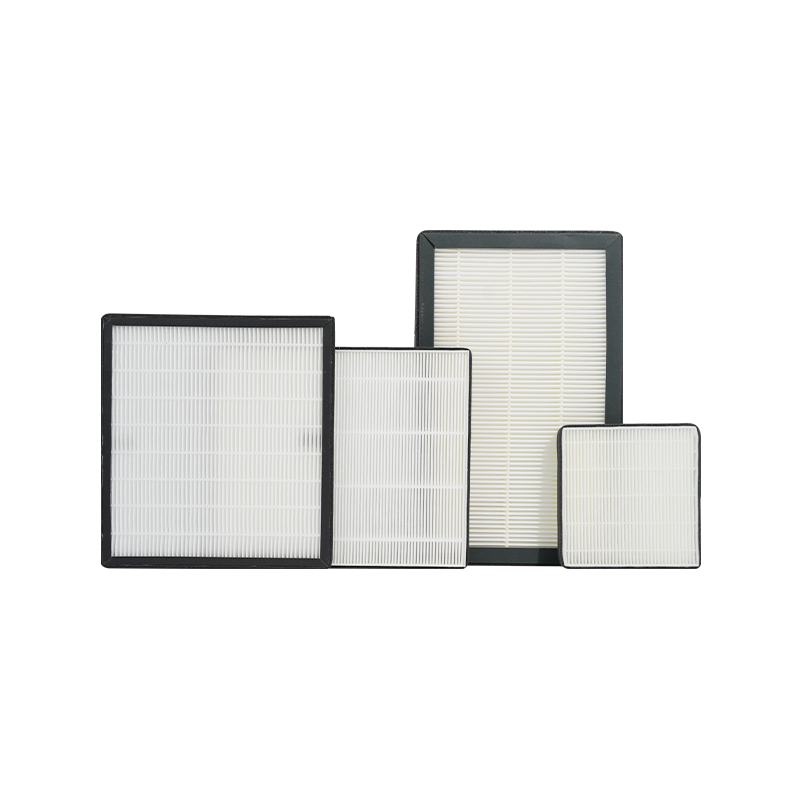
- Stage 4 — True HEPA filter:Captures fine particles including construction dust PM2.5, pollen, mold spores, and bacteria. Positioned as the final stage so it receives pre-cleaned air with reduced particle loading, extending its service life.
This configuration represents the current standard for best air purifier for home use in post-renovation applications among premium product manufacturers. The HEPA + cold catalyst + carbon combination ensures comprehensive coverage across both the particle and chemical dimensions of post-renovation air quality degradation.
Supplemental Passive Placement Strategy
Alongside the powered whole home air purifier, passive cold catalyst products placed strategically in high-emission zones provide continuous treatment of the most concentrated formaldehyde sources:
- Inside new wardrobes and cabinets:1–2 small cold catalyst sachets per enclosed furniture unit, replacing every 6–8 months during the peak off-gassing period.
- Under new mattresses and bed bases:Platform beds with MDF or particleboard bases are significant formaldehyde sources at close proximity to sleeping occupants.
- Behind large furniture pieces placed against walls:Reducing air circulation near large off-gassing surfaces concentrates formaldehyde in stagnant zones that powered purifiers treat inefficiently.
- In vehicle interiors:New cars have one of the highest formaldehyde concentrations of any enclosed space due to dashboard, seat, and headliner materials — a natural extension market for cold catalyst sachets.
Important Limitations and Quality Considerations
The cold catalyst market, particularly in consumer products, includes considerable quality variation that consumers need to understand before making purchasing decisions. The technology's effectiveness depends critically on catalyst formulation quality, active surface area, and the presence of appropriate noble metal co-catalysts — factors that are invisible to buyers and not uniformly disclosed by manufacturers.
Catalyst Quality Variation in the Consumer Market
Low-cost cold catalyst products often use manganese dioxide as the sole active component without noble metal co-catalysts. While MnO₂ alone shows formaldehyde decomposition activity, its performance at the very low formaldehyde concentrations typical of occupied spaces (0.05–0.15 ppm) is significantly lower than platinum-group metal promoted formulations. Studies comparing MnO₂-only catalysts against Pt/MnO₂ at room temperature and sub-ppm formaldehyde concentrations found conversion rate differences of 3–5 times — meaning a cheap cold catalyst filter may offer a fraction of the performance implied by the technology category.
Consumers should look for products that disclose their active catalyst composition, ideally with third-party verified performance data at realistic indoor concentration levels rather than at artificially elevated laboratory test concentrations that favor all catalysts.
Humidity Sensitivity
Most transition metal oxide cold catalysts show reduced activity at relative humidity above 70–80%, as water molecules compete with formaldehyde for active surface sites. In tropical climates, during humid summer months, or in naturally humid spaces like bathrooms and basements, cold catalyst performance may be meaningfully degraded. This sensitivity varies by catalyst formulation — some advanced formulations incorporating hydrophobic surface treatments show improved humidity tolerance — and should be factored into product selection for high-humidity applications.
Limited Effectiveness Against Larger VOC Molecules
While cold catalyst technology excels at formaldehyde and ammonia decomposition, its effectiveness against larger, more complex VOC molecules — particularly aromatic compounds like benzene, toluene, and xylene at indoor concentration levels — is substantially lower. The activation energy barrier for breaking benzene ring structures at room temperature is significantly higher than for formaldehyde decomposition, limiting catalytic conversion rates. For offices or homes with significant aromatic VOC loads from paints and solvents, cold catalyst alone is insufficient and must be complemented by activated carbon for comprehensive protection.
Catalyst Poisoning Over Extended Operation
While cold catalyst media does not accumulate the target pollutants it decomposes, it can be gradually deactivated by exposure to sulfur compounds, siloxanes (from silicone caulks and personal care products), and heavy hydrocarbon deposits that adsorb irreversibly onto active surface sites. This "catalyst poisoning" mechanism is the primary reason cold catalyst filters eventually need replacement, typically after 1–3 years depending on the chemical environment. Signs of catalyst deactivation include rising measured formaldehyde concentrations in a previously well-controlled space despite the filter appearing physically intact.
How to Select and Use Cold Catalyst Products Effectively
For consumers and facility managers ready to integrate cold catalyst technology into a post-renovation air quality strategy, the following practical guidance applies.
Product Selection Criteria
- Catalyst composition disclosure:Prefer products that explicitly disclose the use of platinum-group metals (Pt, Pd, or Ru) in addition to manganese or copper oxide base catalysts. Products that only claim "cold catalyst" without specifying active components are more likely to use low-grade MnO₂-only formulations.
- Independent performance testing:Look for products with third-party formaldehyde removal efficiency data at concentrations below 0.5 ppm — concentrations representative of real indoor environments rather than elevated laboratory test conditions.
- Surface area and media weight:Greater catalyst mass and surface area generally corresponds to higher throughput capacity. Standalone sachets with less than 50g of media are suitable only for small enclosed spaces; room-scale treatment requires filter panels with 200–500g of catalyst media or more.
- Temperature and humidity operating range:Confirm the product is rated for use at indoor ambient temperatures (15–35°C) and typical humidity levels (30–70% RH) in your geographic region.
Monitoring Performance Over Time
Consumer-grade formaldehyde monitors — now available from $80–$250 — provide the most direct method of verifying cold catalyst performance in a specific environment. Measuring baseline formaldehyde concentrations before installation and at monthly intervals afterward provides objective evidence of the system's effectiveness and early warning of catalyst deactivation. A rising trend in measured formaldehyde concentration despite continued filter operation is the primary indication that cold catalyst replacement is needed, regardless of elapsed time since last replacement.
For newly decorated spaces, this monitoring approach also provides valuable information about the off-gassing decay timeline — confirming when formaldehyde concentrations have returned to background levels and the highest-cost, most intensive air treatment phase can be scaled back. Most well-ventilated newly decorated rooms with quality low-emission materials will reach background formaldehyde levels within 12–24 months, at which point maintaining a powered whole home air purifier with a quality multi-stage filter on its standard maintenance schedule is sufficient for ongoing air quality management.
The Outlook: Cold Catalyst Technology in an Evolving Market
The cold catalyst filter market is expanding rapidly alongside growing consumer sophistication about indoor air quality, tightening building standards for VOC emissions, and an accelerating regulatory environment around formaldehyde labeling in building products. Several trends are shaping the technology's trajectory:
- Visible-light-activated cold catalysts:Research into nitrogen-doped TiO₂ and bismuth vanadate (BiVO₄) catalyst formulations that activate under visible light rather than UV-A is opening hybrid cold/photo-catalyst systems that combine the advantages of both technologies without the UV lamp maintenance requirement.
- Nano-engineered catalyst surfaces:Single-atom platinum catalysts supported on cerium oxide (Pt₁/CeO₂) have demonstrated near-100% formaldehyde conversion at room temperature in laboratory settings — approaching the theoretical performance ceiling and suggesting significant room for improvement in consumer product formulations over the coming decade.
- Regulatory standardization:The absence of a universally adopted cold catalyst performance rating standard — analogous to MERV for mechanical filters or AHAM CADR for air purifiers — remains a gap that limits consumer confidence and facilitates misleading marketing claims. Industry bodies in China (where cold catalyst adoption is most advanced), Europe, and North America are developing standardized test protocols that will make performance comparison more reliable.
- Building material integration:Cold catalyst coatings applied directly to interior wall paints, ceiling tiles, and floor finishes — treating formaldehyde at the source surface rather than in the air — represent the leading edge of application development, potentially addressing off-gassing from large surface area materials with zero ongoing maintenance requirement.
For homeowners, office managers, and facility professionals navigating the post-renovation air quality challenge today, cold catalyst filters represent a technically sound, practically straightforward, and cost-effective component of a comprehensive indoor air quality strategy — particularly as the primary targeted tool against the specific formaldehyde threat that defines the newly decorated space environment. When selected with appropriate attention to catalyst quality, deployed within a multi-stage filtration strategy, and monitored with affordable air quality sensing, cold catalyst technology delivers on its growing reputation as the most relevant passive chemical treatment solution for the modern furnished interior.